American Bittersweet
Not listed does not mean safe.
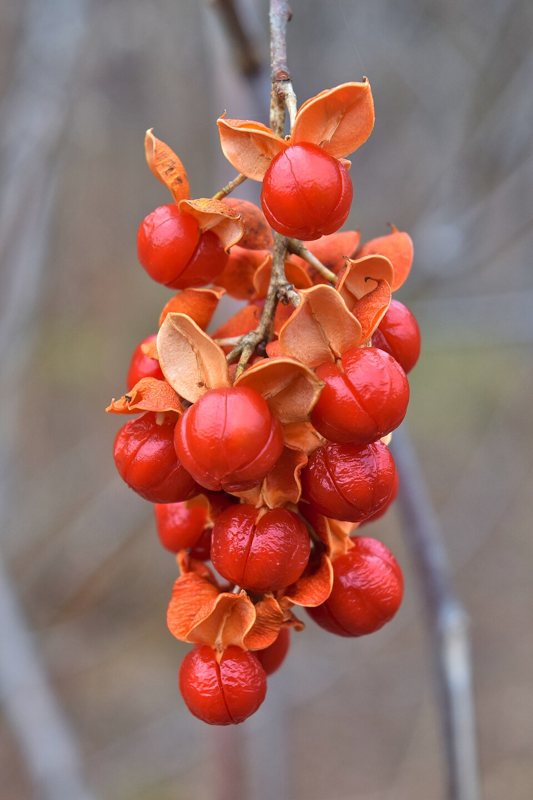
The Cosmonaut · CC BY-SA 2.5 ca · Photo source · shows: Celastrus scandens

Celastrus scandens
Also known as: Bittersweet, Waxwork, Shrubby Bittersweet, False Bittersweet, Climbing Bittersweet
Family: Celastraceae · ASPCA plant record
Verdict at a glance
Evidence by animal
| Animal | Verdict | Basis | Plant parts | Sources | Evidence link |
|---|---|---|---|---|---|
| Companion mammals | |||||
| Cats | Cats: ⚠ Toxic | Pet Poison Helpline: toxic to cats | Not specified | Pet Poison Helpline: American Bittersweet Poison control ASPCA Toxic and Non-Toxic Plants Poison control | evidence |
| Dogs | Dogs: ⚠ Toxic | Pet Poison Helpline: toxic to dogs | Not specified | Pet Poison Helpline: American Bittersweet Poison control ASPCA Toxic and Non-Toxic Plants Poison control | evidence |
| Horses & livestock | |||||
| Horses | Horses: ⚠ Toxic | Not specified | ASPCA Toxic and Non-Toxic Plants Poison control | evidence | |
| Small mammals | |||||
| Rabbits | Rabbits: ! Caution | WHRS Class 2: local or weaker toxin | Not specified | Wisconsin House Rabbit Society Rescue/education group | evidence |
Source excerpts
Pet Poison Helpline — American Bittersweet — Cats, Dogs
poison-control
Pet Poison Helpline: toxic to cats · Pet Poison Helpline names dogs and cats for vomiting, diarrhea, and (with large ingestions) weakness and seizures. Same toxin-identity hedge as the dog claim.
Pet Poison Helpline: toxic to dogs · Pet Poison Helpline page titled "American Bittersweet Is Toxic To Dogs". The page notes the toxin has not been well established and says some Celastrus species contain alkaloids that cause these signs.
The American Bittersweet, also known as Bittersweet, False Bittersweet, Climbing Bittersweet, Shrubby Bittersweet, and Waxwork, is a deciduous plant that produces bunches of brightly colored small fruit; these may be attractive to dogs, cats and children. The toxin in this plant has not been well established but some of the Celastrus species contain alkaloids that can cause vomiting and diarrhea in dogs and cats. With large ingestions, it may cause weakness and seizures.
Source checked 2026-11-05
Read original sourceASPCA Toxic and Non-Toxic Plants — Cats, Dogs, Horses
poison-control
Toxic to Dogs, Toxic to Cats, Toxic to Horses
Source checked 2026-11-05
Read original sourceWisconsin House Rabbit Society — Classes of Toxic Plants — Rabbits
rescue-education
WHRS Class 2: local or weaker toxin · Wisconsin House Rabbit Society chapter list (G. Flentke, 2012): Class 2 — "Local toxins": "Allergens, dermal sensitivity toxins, or systemic toxins of lesser strengths" (list heading: "May cause allergic reaction in rabbits. Be cautious."). WHRS adds that, because rabbits inevitably chew items, these toxins "could be more of a problem than the current literature indicates".
Climbing Bittersweet
Source checked 2026-10-27
Read original sourceNo evidence collected in this database yet for 19 animals
No evidence collected in this database yet for: Guinea pigs, Hamsters, Rats, Mice, Chinchillas, Ferrets, Pet birds (general), Parrots (macaws, Amazons, African greys…), Budgerigars (budgies), Cockatiels, Lovebirds, Canaries, Finches, Pigeons & doves, Tortoises, Bearded dragons, Iguanas, Goats, Chickens & other poultry
No supported claim has been collected for these animals. Not listed does not mean safe; do not infer suitability from another species.
Toxic principles
ASPCA, as published: Cardenolides, alkaloids Source
Clinical signs
ASPCA, as published: Vomiting (not horses), diarrhea, seizures (rare), weakness Source
More from veterinary sources
Last verified (ASPCA record): 2026-11-05.