Caladium
Not listed does not mean safe.
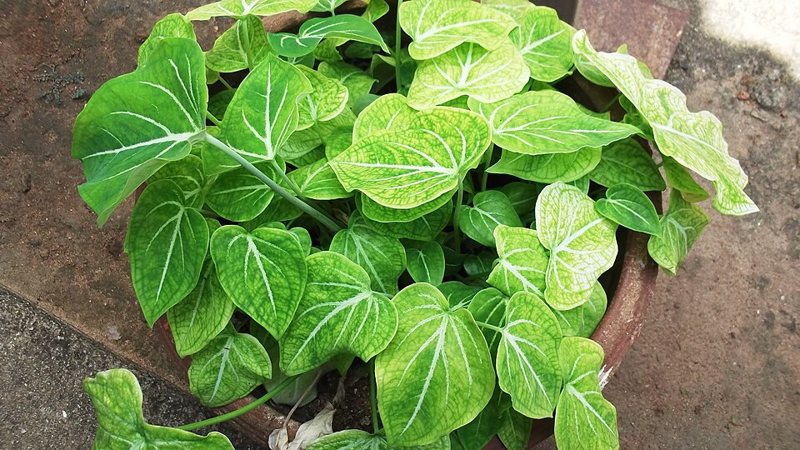
Yercaud-elango · CC BY-SA 4.0 · Photo source · shows: Caladium

Caladium hortulanum
Accepted name per Kew POWO/WCVP: Caladium bicolor (Aiton) Vent. (the ASPCA lists this plant as Caladium hortulanum)
Also known as: Malanga, Elephant's Ears, Stoplight, Seagull, Mother-in-law Plant, Pink Cloud, Texas Wonder, Angel-Wings, Exposition, Candidum, Fancy-leaved Caladium
Family: Araceae · ASPCA plant record
Verdict at a glance
Evidence by animal
| Animal | Verdict | Basis | Plant parts | Sources | Evidence link |
|---|---|---|---|---|---|
| Companion mammals | |||||
| Cats | Cats: ⚠ Toxic | Not specified | ASPCA Toxic and Non-Toxic Plants Poison control | evidence | |
| Dogs | Dogs: ⚠ Toxic | Not specified | ASPCA Toxic and Non-Toxic Plants Poison control | evidence | |
| Horses & livestock | |||||
| Horses | Horses: ⚠ Toxic | Not specified | ASPCA Toxic and Non-Toxic Plants Poison control | evidence | |
| Small mammals | |||||
| Rabbits | Rabbits: ! Caution | rabbit.org: listed as poisonous (not graded); WHRS Class 2: local or weaker toxin | Not specified | House Rabbit Society (rabbit.org) Rescue/education group Wisconsin House Rabbit Society Rescue/education group | evidence |
| Reptiles | |||||
| Tortoises | Tortoises: ! Caution | Tortoise Trust: listed as toxic, degree uncertain | Not specified | Tortoise Trust Specialist charity | evidence |
Source excerpts
ASPCA Toxic and Non-Toxic Plants — Cats, Dogs, Horses
poison-control
Toxic to Dogs, Toxic to Cats, Toxic to Horses
Source checked 2026-10-27
Read original sourceHouse Rabbit Society (rabbit.org) — Poisonous Plants — Rabbits
rescue-education
rabbit.org: listed as poisonous (not graded) · rabbit.org list "Poisonous Plants" (compiled by the University of Illinois): plants "normally thought to be poisonous"; "others may cause a reaction in some but not in others". Not a graded risk.
Caladium
Source checked 2026-10-27
Read original sourceWisconsin House Rabbit Society — Classes of Toxic Plants — Rabbits
rescue-education
WHRS Class 2: local or weaker toxin · Wisconsin House Rabbit Society chapter list (G. Flentke, 2012): Class 2 — "Local toxins": "Allergens, dermal sensitivity toxins, or systemic toxins of lesser strengths" (list heading: "May cause allergic reaction in rabbits. Be cautious."). WHRS adds that, because rabbits inevitably chew items, these toxins "could be more of a problem than the current literature indicates".
Caladium
Source checked 2026-10-27
Read original sourceTortoise Trust — Toxic Plants and Tortoises — Tortoises
specialist-charity
Tortoise Trust: listed as toxic, degree uncertain · Tortoise Trust toxic-plant list (from Highfield 2001): "Some plants on this list may be safely consumed in small or moderate quantities, but may be fatally toxic under certain circumstances or in large doses"; exact degree of toxicity unknown.
Caladium
Source checked 2026-10-27
Read original sourceNo evidence collected in this database yet for 18 animals
No evidence collected in this database yet for: Guinea pigs, Hamsters, Rats, Mice, Chinchillas, Ferrets, Pet birds (general), Parrots (macaws, Amazons, African greys…), Budgerigars (budgies), Cockatiels, Lovebirds, Canaries, Finches, Pigeons & doves, Bearded dragons, Iguanas, Goats, Chickens & other poultry
No supported claim has been collected for these animals. Not listed does not mean safe; do not infer suitability from another species.
Toxic principles
ASPCA, as published: Insoluble calcium oxalates Source
Clinical signs
ASPCA, as published: Oral irritation, pain and swelling of mouth, tongue and lips, excessive drooling, vomiting (not horses), difficulty swallowing Source
More from veterinary sources
Last verified (ASPCA record): 2026-10-27. Source access dates and limitations.
Similar plants (same family)
Shared family is not a shared verdict. Check each plant separately.