Tiger Lily
Not listed does not mean safe.
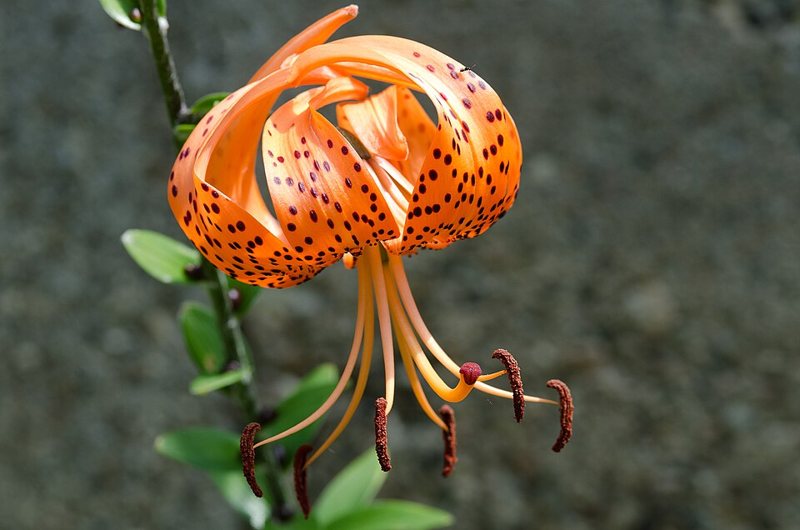
Amada44 · CC BY-SA 3.0 · Photo source · shows: Lilium lancifolium

Lilium tigrinum
Accepted name per Kew POWO/WCVP: Lilium lancifolium Thunb. (the ASPCA lists this plant as Lilium tigrinum)
Family: Liliaceae · ASPCA plant record
Verdict at a glance
UC Davis veterinary medicine: dogs do not get kidney failure from lilies but may get an upset stomach. Full note
Evidence by animal
| Animal | Verdict | Basis | Plant parts | Sources | Evidence link |
|---|---|---|---|---|---|
| Companion mammals | |||||
| Cats | Cats: ⚠ Toxic | Not specified | Merck Veterinary Manual Veterinary reference Pet Poison Helpline Poison control ASPCA Toxic and Non-Toxic Plants Poison control | evidence | |
| Dogs | Dogs: ✓ Non-toxic | Not specified | ASPCA Toxic and Non-Toxic Plants Poison control | evidence | |
| Horses & livestock | |||||
| Horses | Horses: ✓ Non-toxic | Not specified | ASPCA Toxic and Non-Toxic Plants Poison control | evidence | |
| Birds | |||||
| Pet birds (general) | Pet birds (general): ! Caution | VCA: on the may-be-poisonous list (not specifically reported) | Not specified | VCA Animal Hospitals Veterinary reference | evidence |
| Reptiles | |||||
| Tortoises | Tortoises: ! Caution | Tortoise Trust: listed as toxic, degree uncertain | Not specified | Tortoise Trust Specialist charity | evidence |
Source excerpts
Merck Veterinary Manual — Houseplants and Ornamentals Toxic to Animals — Cats
veterinary-reference
Merck row: Lilium longiflorum, L tigrinum (the row names both species)
Renal failure in cats 2–4 days after ingestion. Not reported toxic to other species.
Source checked 2026-10-27 (source updated Sept 2024 (full review Nov 2023))
Read original sourcePet Poison Helpline — Top 10 Plants Poisonous to Pets — Cats
poison-control
PPH: "true lilies… include tiger, day, Asiatic, Easter and roselilies"
all of which are highly toxic to cats! Even small ingestions, including pollen or vase water, can result in severe kidney failure.
Source checked 2026-10-27
Read original sourceASPCA Toxic and Non-Toxic Plants — Cats
poison-control
Toxic to Cats
Source checked 2026-10-27
Read original sourceASPCA Toxic and Non-Toxic Plants — Dogs, Horses
poison-control
Non-Toxic to Dogs, Non-Toxic to Horses
Source checked 2026-10-27
Read original sourceVCA Animal Hospitals — Plants That Are Toxic to Birds — Pet birds (general)
veterinary-reference
VCA: on the may-be-poisonous list (not specifically reported) · VCA: on the list of "many plants which may be poisonous to birds, although it is not exhaustive"; no asterisk, so not specifically reported harmful in birds. VCA notes information is often inferred from other species.
Tiger Lily
Source checked 2026-10-27 (source updated Aug 14, 2026)
Read original sourceTortoise Trust — Toxic Plants and Tortoises — Tortoises
specialist-charity
Tortoise Trust: listed as toxic, degree uncertain · Tortoise Trust toxic-plant list (from Highfield 2001): "Some plants on this list may be safely consumed in small or moderate quantities, but may be fatally toxic under certain circumstances or in large doses"; exact degree of toxicity unknown.
Tiger lily
Source checked 2026-10-27
Read original sourceNo evidence collected in this database yet for 18 animals
No evidence collected in this database yet for: Rabbits, Guinea pigs, Hamsters, Rats, Mice, Chinchillas, Ferrets, Parrots (macaws, Amazons, African greys…), Budgerigars (budgies), Cockatiels, Lovebirds, Canaries, Finches, Pigeons & doves, Bearded dragons, Iguanas, Goats, Chickens & other poultry
No supported claim has been collected for these animals. Not listed does not mean safe; do not infer suitability from another species.
Toxic principles
ASPCA, as published: Unknown Source
Clinical signs
ASPCA, as published: Vomiting, inappetence, lethargy, kidney failure, and death is possible. Cats are only species known to be affected. Source
More from veterinary sources
Last verified (ASPCA record): 2026-10-27. Source access dates and limitations.
Similar plants (same family)
Shared family is not a shared verdict. Check each plant separately.