Rhubarb
Not listed does not mean safe.
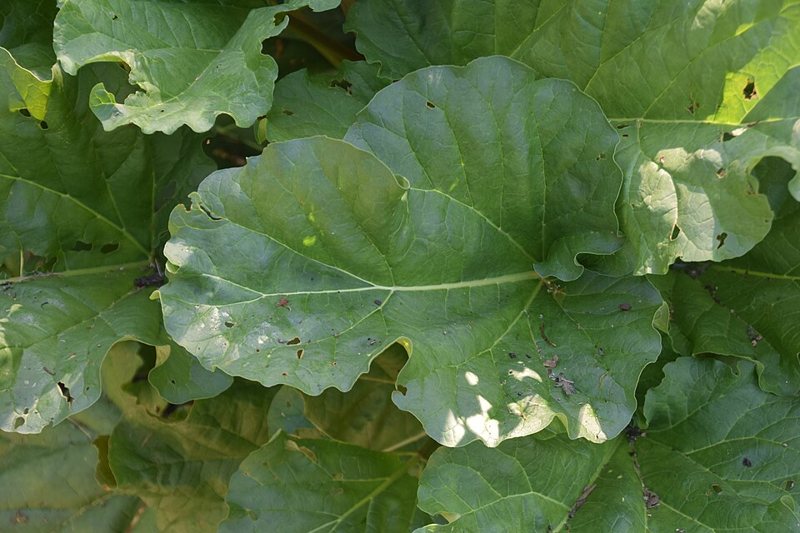
Krzysztof Golik · CC BY-SA 4.0 · Photo source · shows: Rheum rhabarbarum

Rheum rhabarbarium
Also known as: Pie Plant
Family: Polygonaceae · ASPCA plant record
Verdict at a glance
Show all animals
Evidence by animal
| Animal | Verdict | Basis | Plant parts | Sources | Evidence link |
|---|---|---|---|---|---|
| Companion mammals | |||||
| Cats | Cats: ⚠ Toxic | Not specified | ASPCA Toxic and Non-Toxic Plants Poison control | evidence | |
| Dogs | Dogs: ⚠ Toxic | Not specified | ASPCA Toxic and Non-Toxic Plants Poison control | evidence | |
| Horses & livestock | |||||
| Horses | Horses: ⚠ Toxic | Not specified | ASPCA Toxic and Non-Toxic Plants Poison control | evidence | |
| Small mammals | |||||
| Rabbits | Rabbits: ! Caution | rabbit.org: listed as poisonous (not graded); WHRS Class 2: local or weaker toxin | Not specified | House Rabbit Society (rabbit.org) Rescue/education group Wisconsin House Rabbit Society Rescue/education group | evidence |
| Guinea pigs | Guinea pigs: ! Caution | Oxbow: on the "never feed" list | Not specified | Oxbow Animal Health Veterinary reference | evidence |
| Birds | |||||
| Pet birds (general) | Pet birds (general): ⚠ Toxic | AAV: listed as toxic to pet birds; VCA: on the may-be-poisonous list (not specifically reported) | Not specified | Association of Avian Veterinarians Veterinary reference VCA Animal Hospitals Veterinary reference | evidence |
| Reptiles | |||||
| Tortoises | Tortoises: ⚠ Toxic | Tortoise Trust: listed as toxic, credible mortality reports (*) | leaves | Tortoise Trust Specialist charity | evidence |
Source excerpts
ASPCA Toxic and Non-Toxic Plants — Cats, Dogs, Horses
poison-control
Toxic to Dogs, Toxic to Cats, Toxic to Horses
Source checked 2026-10-27
Read original sourceHouse Rabbit Society (rabbit.org) — Poisonous Plants — Rabbits
rescue-education
rabbit.org: listed as poisonous (not graded) · rabbit.org list "Poisonous Plants" (compiled by the University of Illinois): plants "normally thought to be poisonous"; "others may cause a reaction in some but not in others". Not a graded risk.
Rhubarb
Source checked 2026-10-27
Read original sourceWisconsin House Rabbit Society — Classes of Toxic Plants — Rabbits
rescue-education
WHRS Class 2: local or weaker toxin · Wisconsin House Rabbit Society chapter list (G. Flentke, 2012): Class 2 — "Local toxins": "Allergens, dermal sensitivity toxins, or systemic toxins of lesser strengths" (list heading: "May cause allergic reaction in rabbits. Be cautious."). WHRS adds that, because rabbits inevitably chew items, these toxins "could be more of a problem than the current literature indicates".
Rhubarb
Source checked 2026-10-27
Read original sourceOxbow Animal Health — Foods Guinea Pigs Should Never Eat — Guinea pigs
veterinary-reference
Oxbow: on the "never feed" list · Oxbow Animal Health "foods guinea pigs should never eat" (veterinary-reviewed article from a pet-food maker, not a poison-control centre).
Rhubarb contains a high concentration of oxalic acid which, if consumed in high quantities, can interfere with calcium absorption and have other toxic effects.
Source checked 2026-10-27 (source updated September 5, 2025)
Read original sourceAssociation of Avian Veterinarians — Protecting Your Pet Birds From Household Dangers — Pet birds (general)
veterinary-reference
AAV: listed as toxic to pet birds · AAV leaflet "Protecting Your Pet Birds From Household Dangers" (the list "is not exhaustive").
Other commonly seen plants that are toxic include Lantana, lilies of the valley, lilies, rhubarb, dumb cane, and umbrella plant.
Source checked 2026-10-27
Read original sourceVCA Animal Hospitals — Plants That Are Toxic to Birds — Pet birds (general)
veterinary-reference
VCA: on the may-be-poisonous list (not specifically reported) · VCA: on the list of "many plants which may be poisonous to birds, although it is not exhaustive"; no asterisk, so not specifically reported harmful in birds. VCA notes information is often inferred from other species.
Rhubarb
Source checked 2026-10-27 (source updated Aug 14, 2026)
Read original sourceTortoise Trust — Toxic Plants and Tortoises — Tortoises
specialist-charity
Tortoise Trust: listed as toxic, credible mortality reports (*) · leaves · Tortoise Trust toxic-plant list (from Highfield, The Tortoise and Turtle Feeding Manual, 2001): marked * = "credible cases where mortality has been reported following consumption".
Rhubarb (leaves)*
Source checked 2026-10-27
Read original sourceNo evidence collected in this database yet for 16 animals
No evidence collected in this database yet for: Hamsters, Rats, Mice, Chinchillas, Ferrets, Parrots (macaws, Amazons, African greys…), Budgerigars (budgies), Cockatiels, Lovebirds, Canaries, Finches, Pigeons & doves, Bearded dragons, Iguanas, Goats, Chickens & other poultry
No supported claim has been collected for these animals. Not listed does not mean safe; do not infer suitability from another species.
Toxic principles
ASPCA, as published: Soluble calcium oxalates Source
Clinical signs
ASPCA, as published: Kidney failure, tremors, salivation. Source
Last verified (ASPCA record): 2026-10-27. Source access dates and limitations.